The Biscuit Tin Test: Giving Your Village Hall a Squeak Check Before the Sugar Rush
There is a particular moment in every village hall birthday party when the room is full of promise: bunting is up, the urn is muttering, and someone’s phone has just been paired with a borrowed speaker. Then the first bars of the playlist come out sounding like a drum kit inside a swimming pool. The cake table wobbles. A toddler puts their hands over their ears. The entertainer says “testing, testing” and the hall replies “esting, esting, esting” in a tone of mild sarcasm.
None of this is anybody’s fault. Village halls are not built as concert venues. They are built to survive coffee mornings, keep-fit classes, beetle drives and the occasional jumble sale. But with five minutes of gentle fussing before the guests arrive, you can stop the sound from bouncing around like a pinball and give the party a fighting chance.
A Village Hall Is a Biscuit Tin With a Kettle
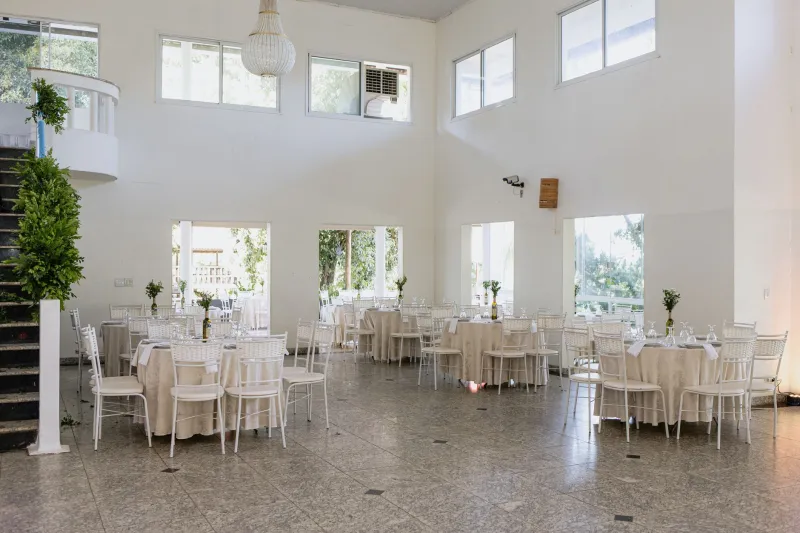
Hard floors, high ceilings, wipe-clean walls, stacking chairs and a stage that smells faintly of old raffle tickets: these are the ingredients of a wonderfully useful hall and a slightly chaotic listening room. Sound hits all those flat surfaces and comes back at you a fraction later. That is the echo. In an empty hall it can feel as if you are performing inside a giant biscuit tin.
The good news is that people are excellent sound absorbers. Once twenty small guests and a few grandparents are in the room, the acoustics usually calm down considerably. The bad news is that the entertainer, the music and the microphone all need to be checked before that helpful crowd arrives, not after. So do the soundcheck while the hall is still echoey and honest.
Speaker Placement: Not on the Cake Table
Resist the urge to put the speaker wherever there is a spare square of tablecloth. A speaker plonked on the cake table will vibrate the Victoria sponge, blast the nearest toddler and send sound straight into the microphone. Instead, put it on a sturdy chair or small table at roughly head height, slightly forward of where the entertainer will stand, and angled across the room rather than straight at the back wall.
If there is a microphone, keep the speaker behind the person using it. Pointing a speaker towards a live microphone is the quickest route to the dreaded squeal. If the hall has a little stage, put the speaker at the front edge and off to one side. If it does not, mark the spot with a bit of gaffer tape so nobody “helpfully” moves it halfway through pass-the-parcel.
The Echo Corner Nobody Checks
Every hall has one. Often it is the corner by the fire doors, or the corridor leading to the kitchen, or the odd hollow spot behind the stage curtains. Stand there and clap once. If the clap comes back with a little ghostly clap of its own, that is your echo corner.
You do not need acoustic panels or a builder. You need to know where the sound is going. If the echo is fierce near the snack table, do not put the shy child’s chair there. If it is booming by the present pile, shift the present pile. Coats, tablecloths, fabric banners and a few bodies will soften things, but the main job is simply to notice. A quick walk around the room, clapping like a slightly eccentric inspector, tells you more than any app.
Volume: The Goldilocks Squeak
Music at a children’s party should be a cheerful background, not a festival headline set. Test the volume from the back of the room, then crouch down to roughly child height and test it again. Can you hear a normal speaking voice over the music? If not, it is too loud. Can you hear the music at all? If not, the entertainer will spend the whole party saying “sorry, what?”
A useful rule of thumb is the lively-café standard: background music should sit under conversation, not on top of it. This also keeps the neighbours onside. Village halls often share a wall, a lane or a very attentive hedge with somebody who has strong views on bass. A quick word with the hall committee about expected noise levels, and a promise to turn things down by the end, costs nothing and buys a great deal of goodwill.
Microphone Feedback Without the Screech
If the entertainer is using a microphone, do the boring bit first. Turn the music off. Ask them to speak in their normal party voice. Slowly raise the microphone volume until you can hear them clearly at the back, then stop. Do not keep going just because there is more knob left to turn.
Keep the microphone about a hand’s width from the mouth, and never let it point towards the speaker. If feedback starts, do not panic and twiddle everything at once. Lower the microphone volume slightly, or move the microphone further from the speaker. Then test again with a cheerful “one, two, squeak”. It is not glamorous, but it is the difference between a magical entrance and a room full of wincing adults.
The Five-Minute Squeak Check
Run this while the cake table is being set out. It takes about as long as arranging a plate of fairy cakes and is far less sticky.
- Minute one: Put the speaker at head height, forward of the microphone and away from the cake table.
- Minute two: Clap in the corners and by the fire doors. Note where the echo is worst and move any quiet-zone seating away from it.
- Minute three: Play the actual party playlist, not a random test track. Check it from the back of the room and at child height.
- Minute four: Test the microphone with the music off. Ask a willing helper to stand at the back and give a thumbs up or a thumbs down. Keep the microphone away from the speaker.
- Minute five: Mark the speaker spot with tape, note the volume setting on your phone, and check the hall clock. Then stop fiddling and go and inflate a unicorn.
The Shy Child Will Thank You
A soundcheck is not really about tech. It is about the child who finds loud, echoey rooms overwhelming; the entertainer who needs to be heard without shouting for an hour; and the neighbour who is perfectly happy with a party as long as it does not sound like a rave in a wheelie bin. Five minutes of clapping, listening and gentle volume adjustment is a small price to pay.
And if the hall still sounds a bit like a biscuit tin? Do not worry. Once the children arrive, the echo will be swallowed by laughter, the cake will be cut, and nobody will remember whether the speaker was two inches to the left. They will just remember that the party sounded happy. Squeak on.